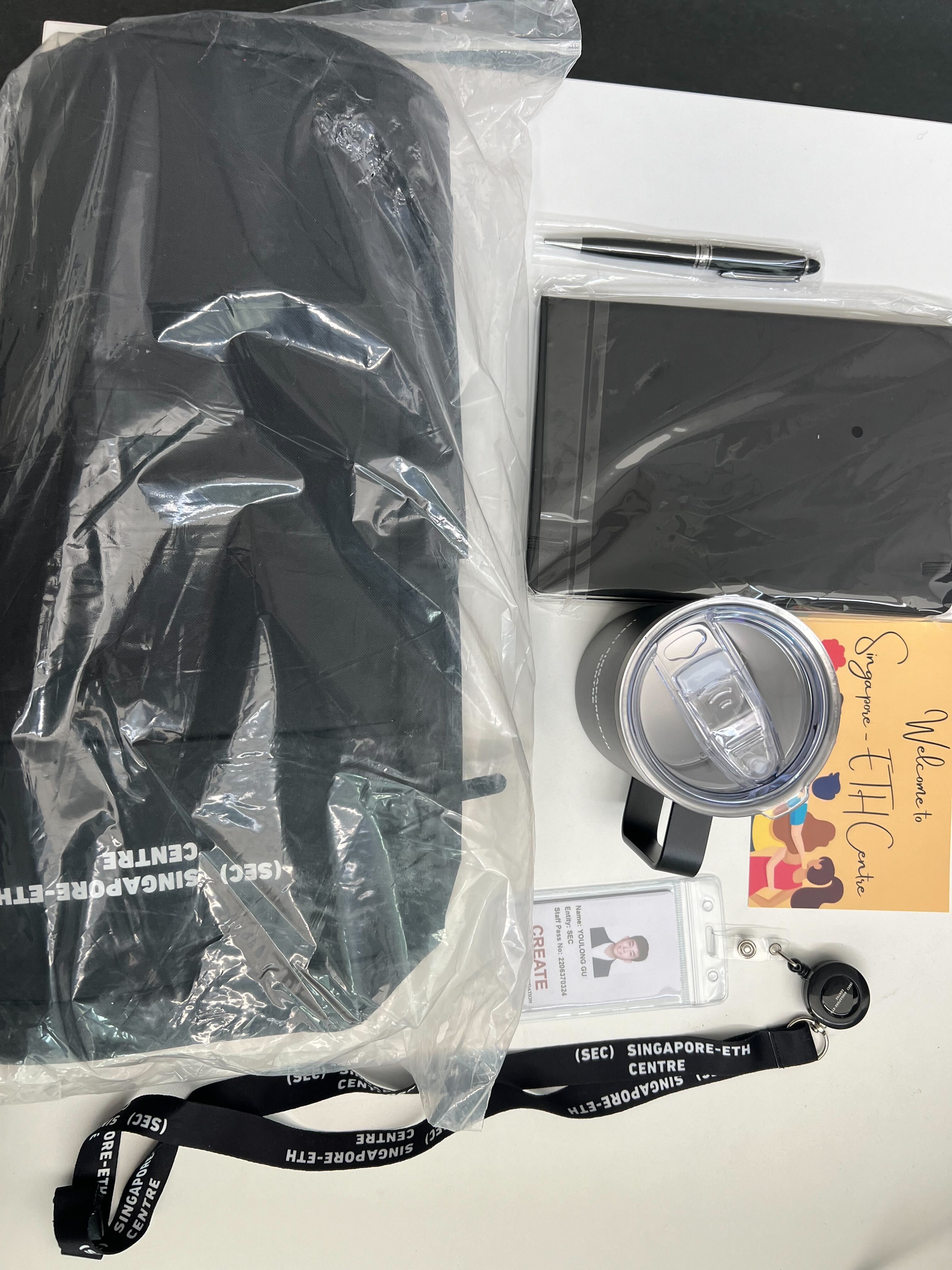
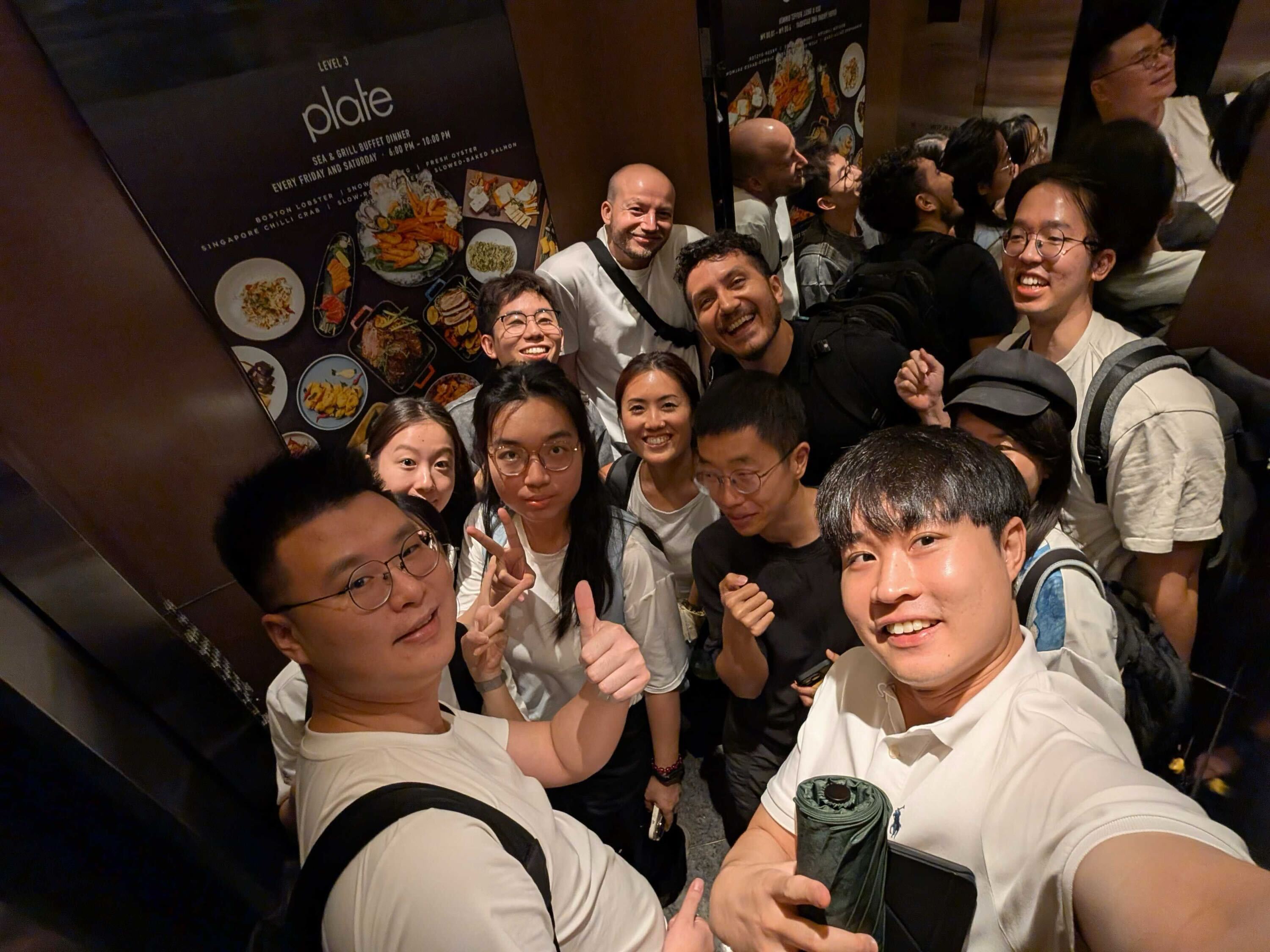
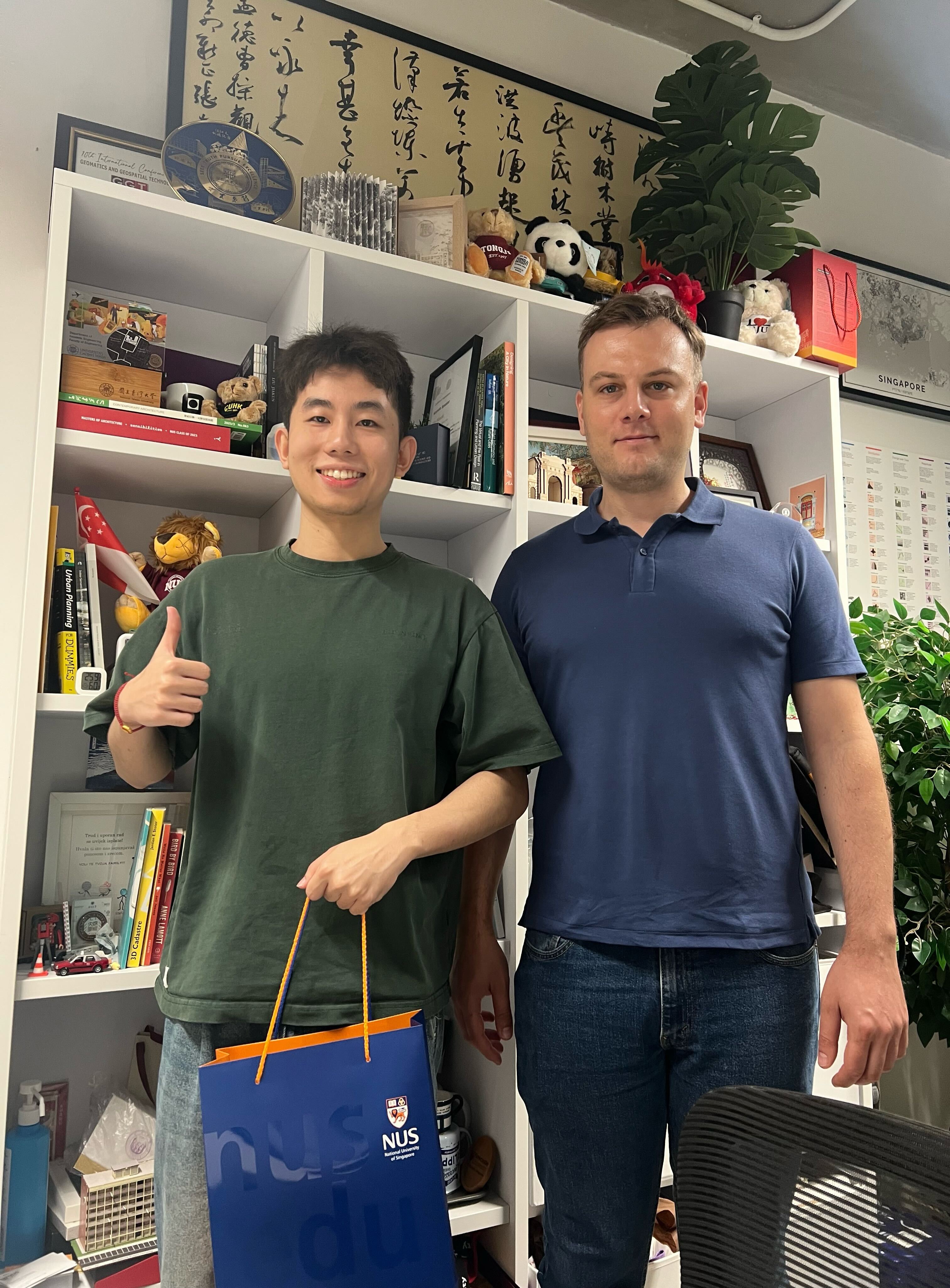
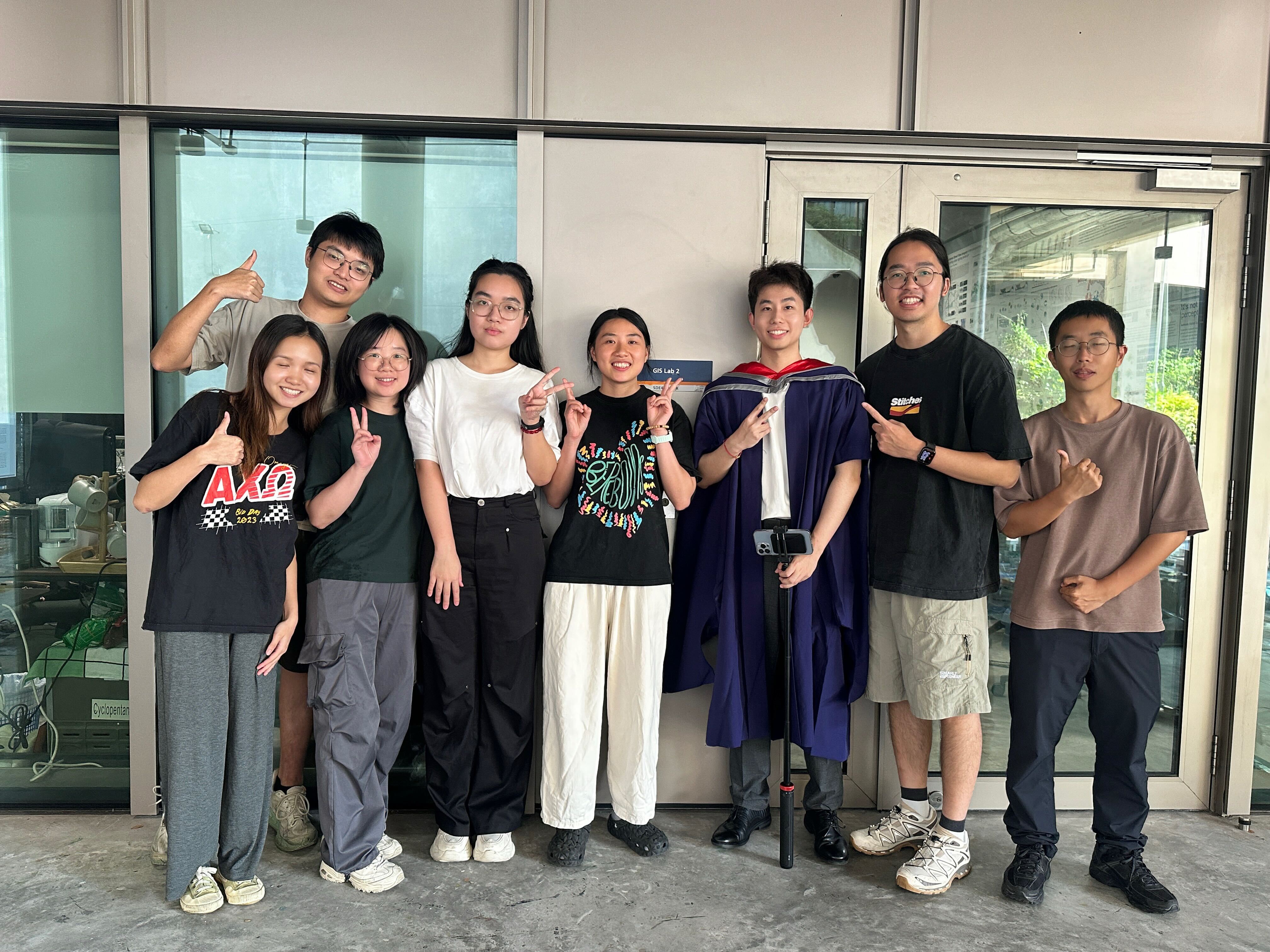
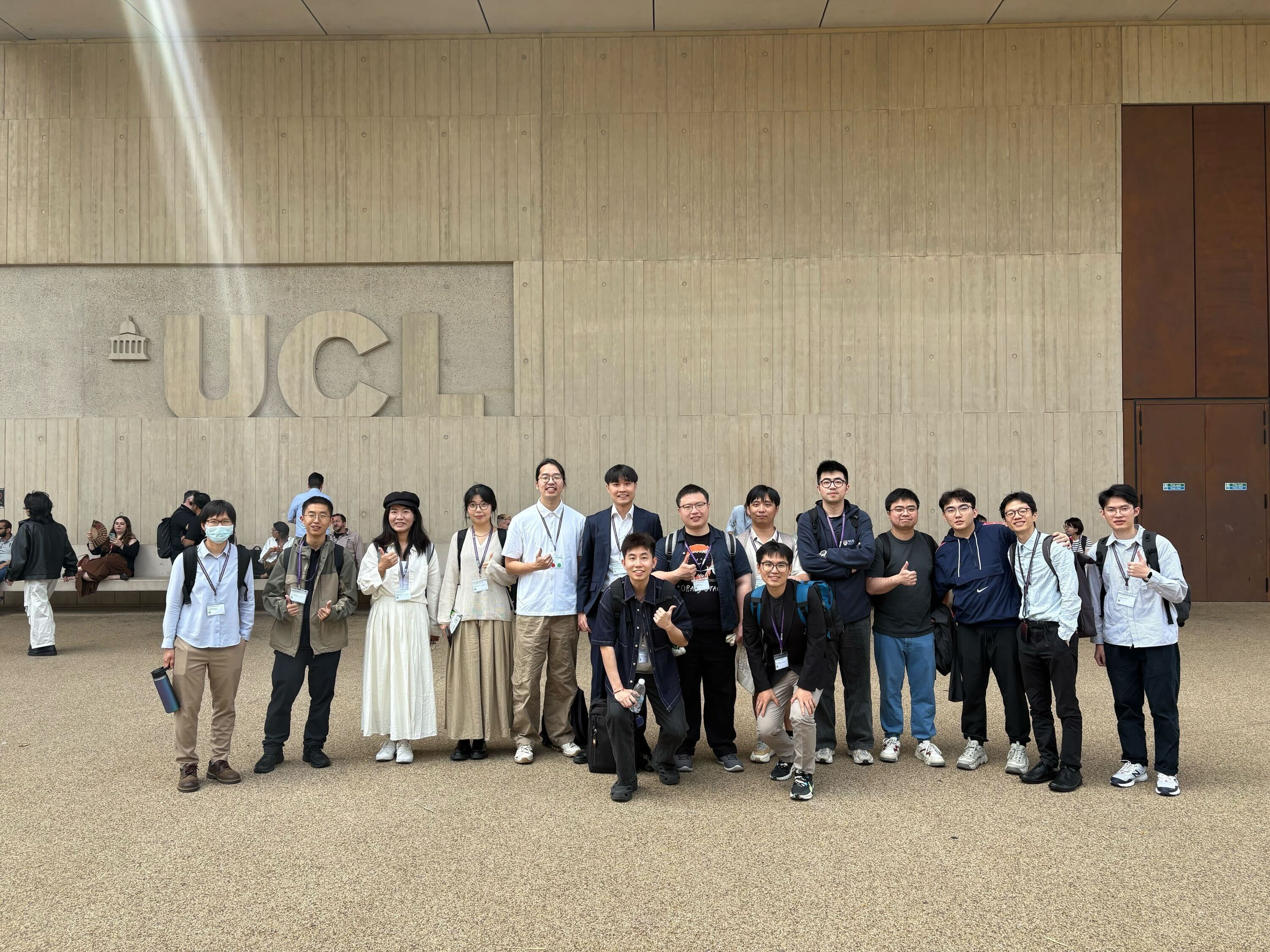
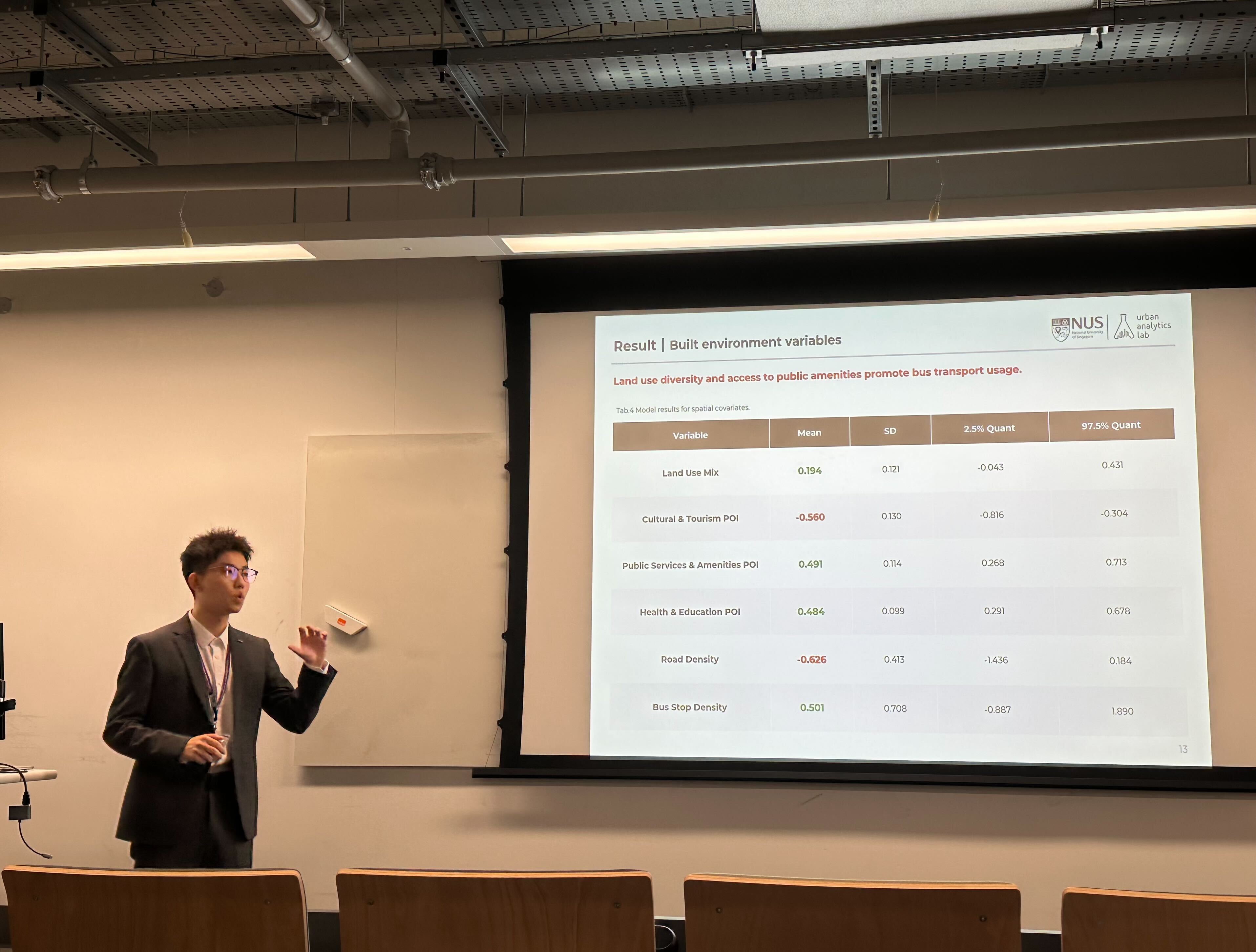
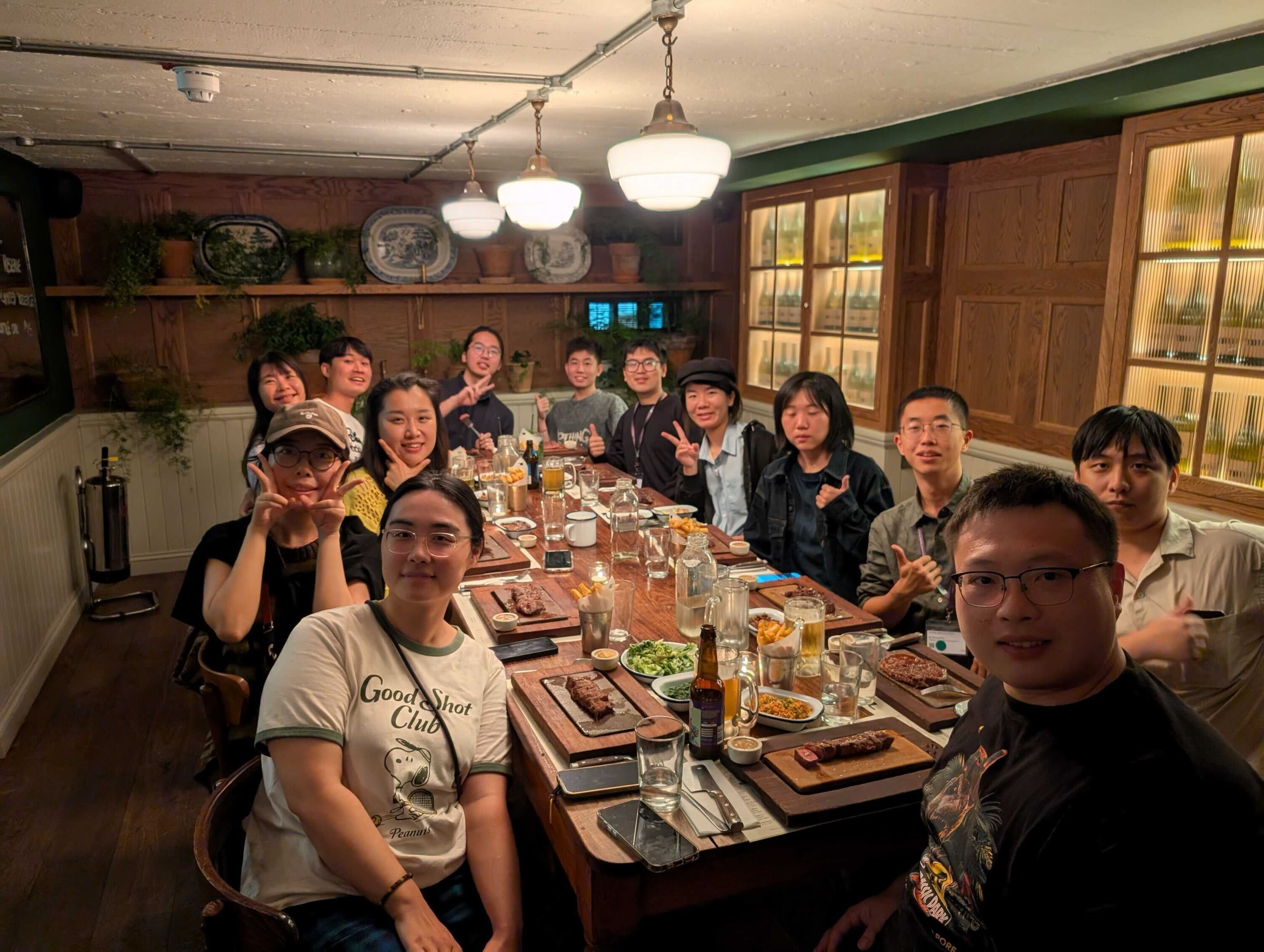
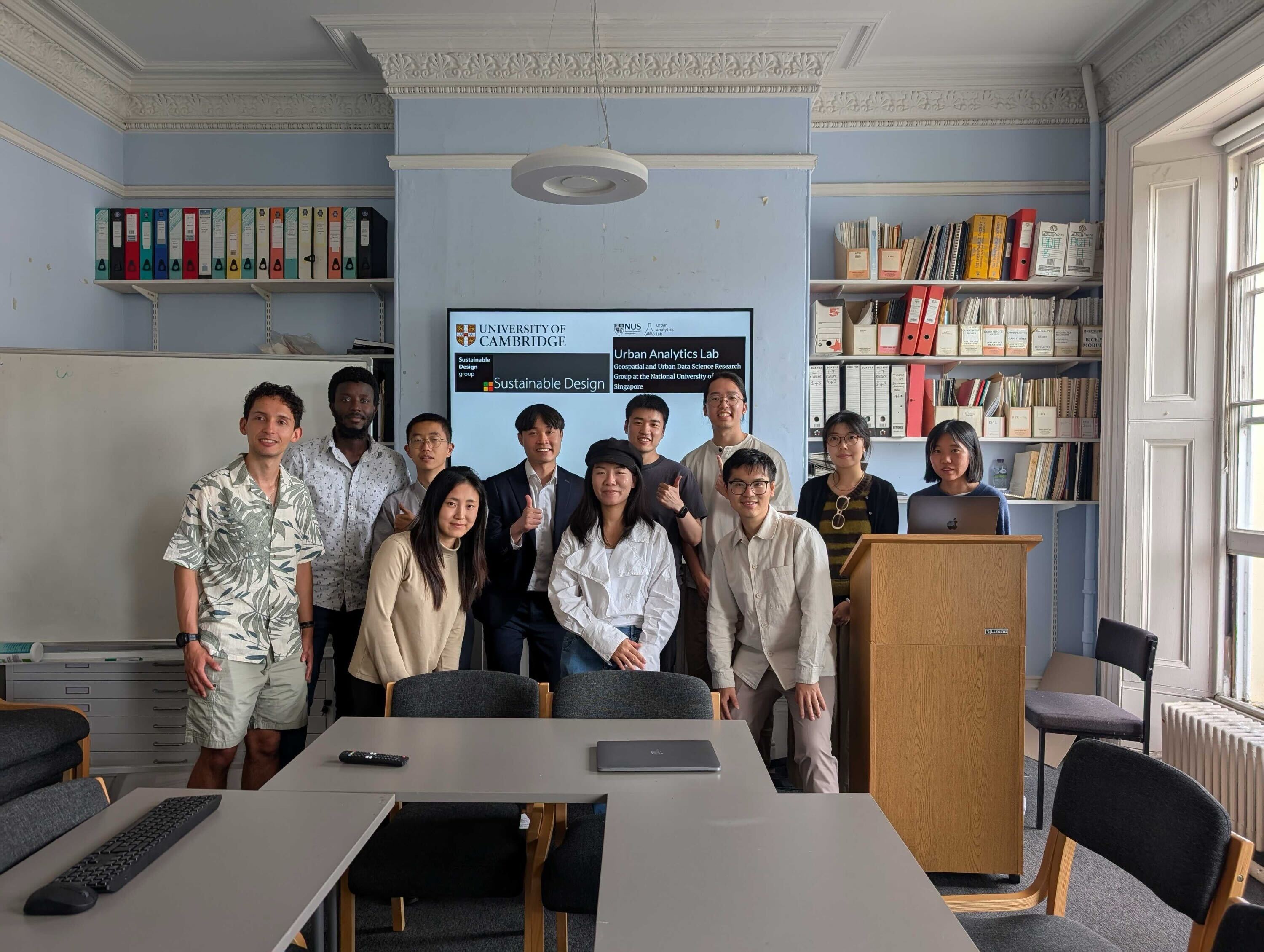
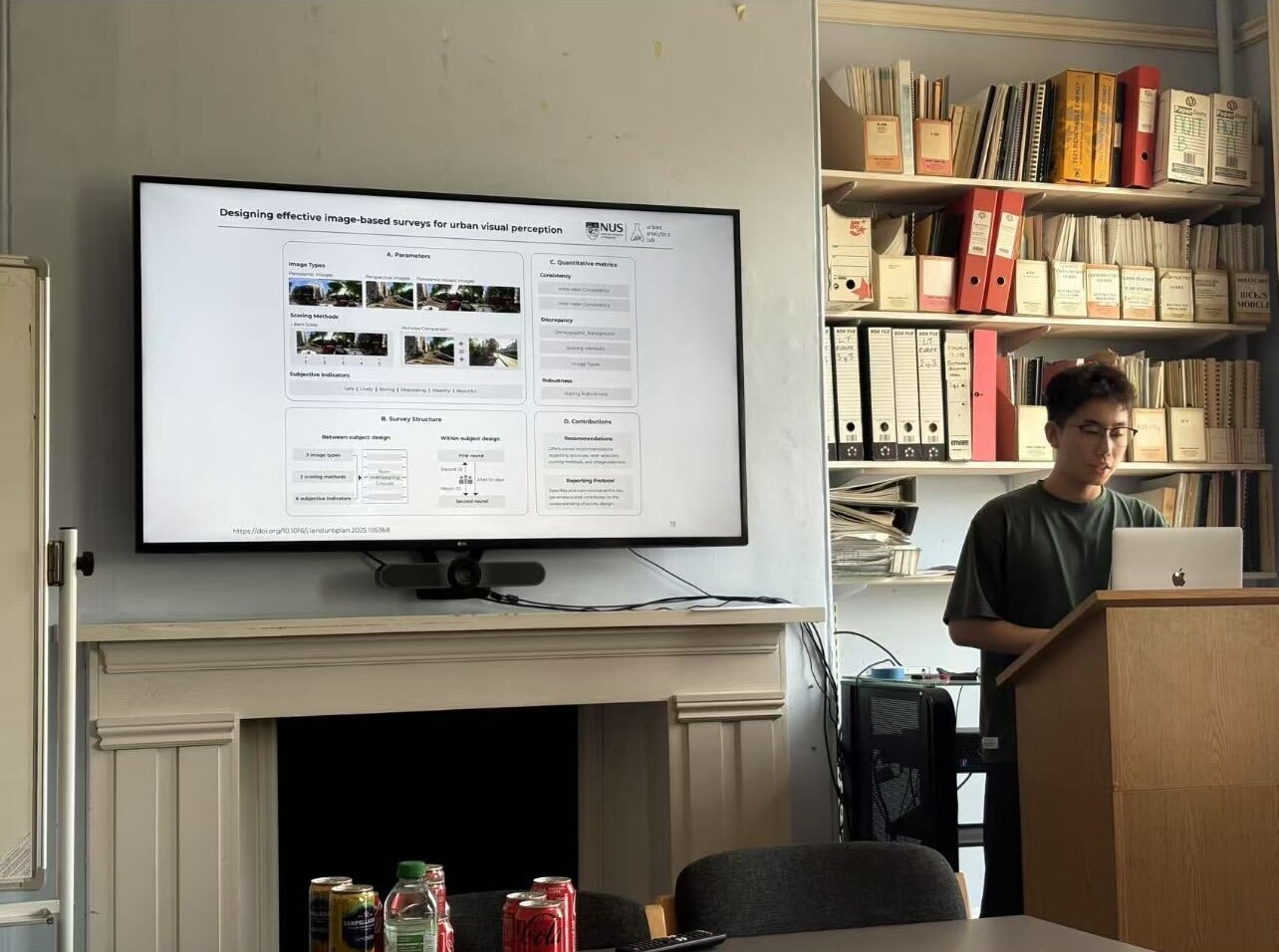
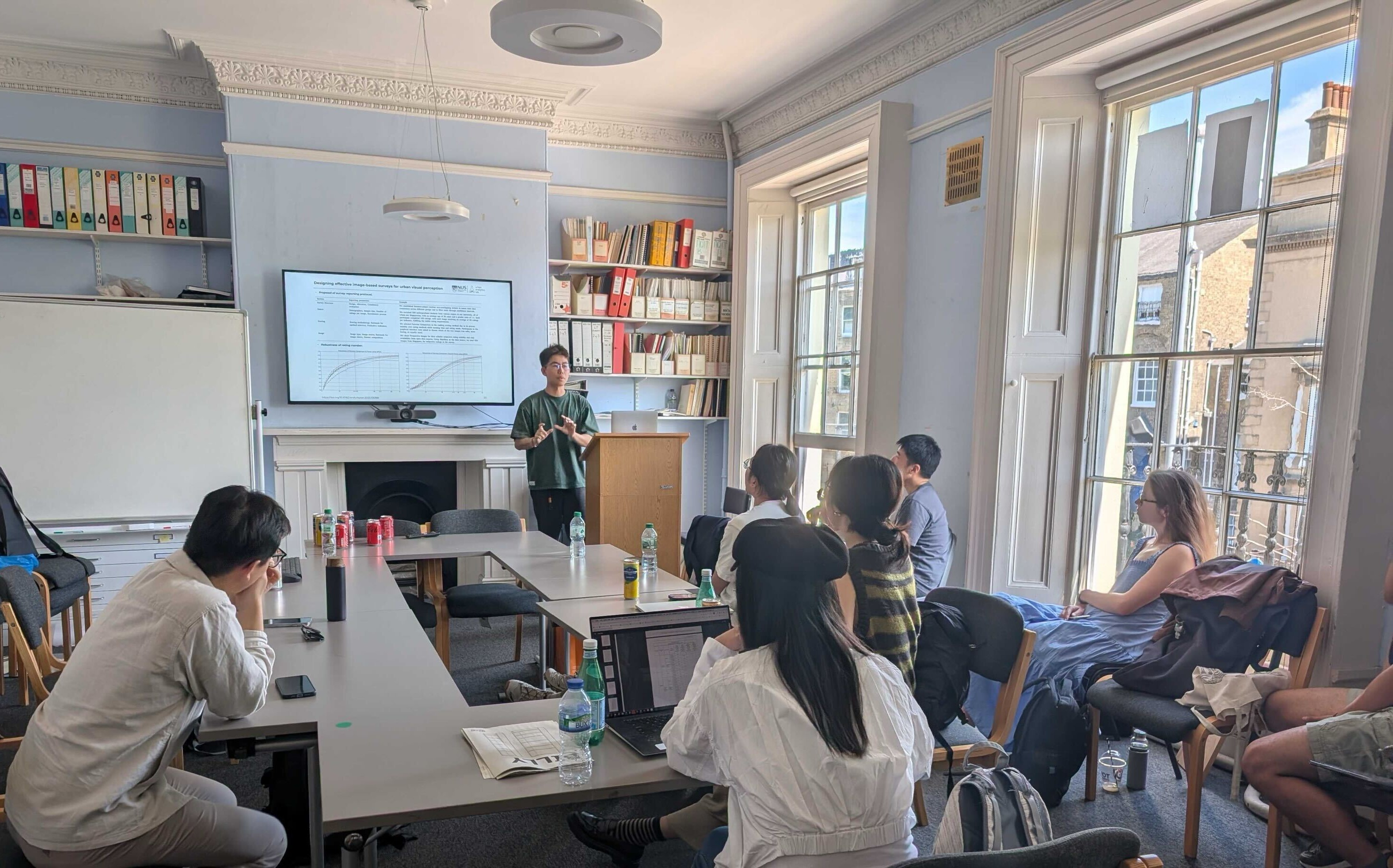
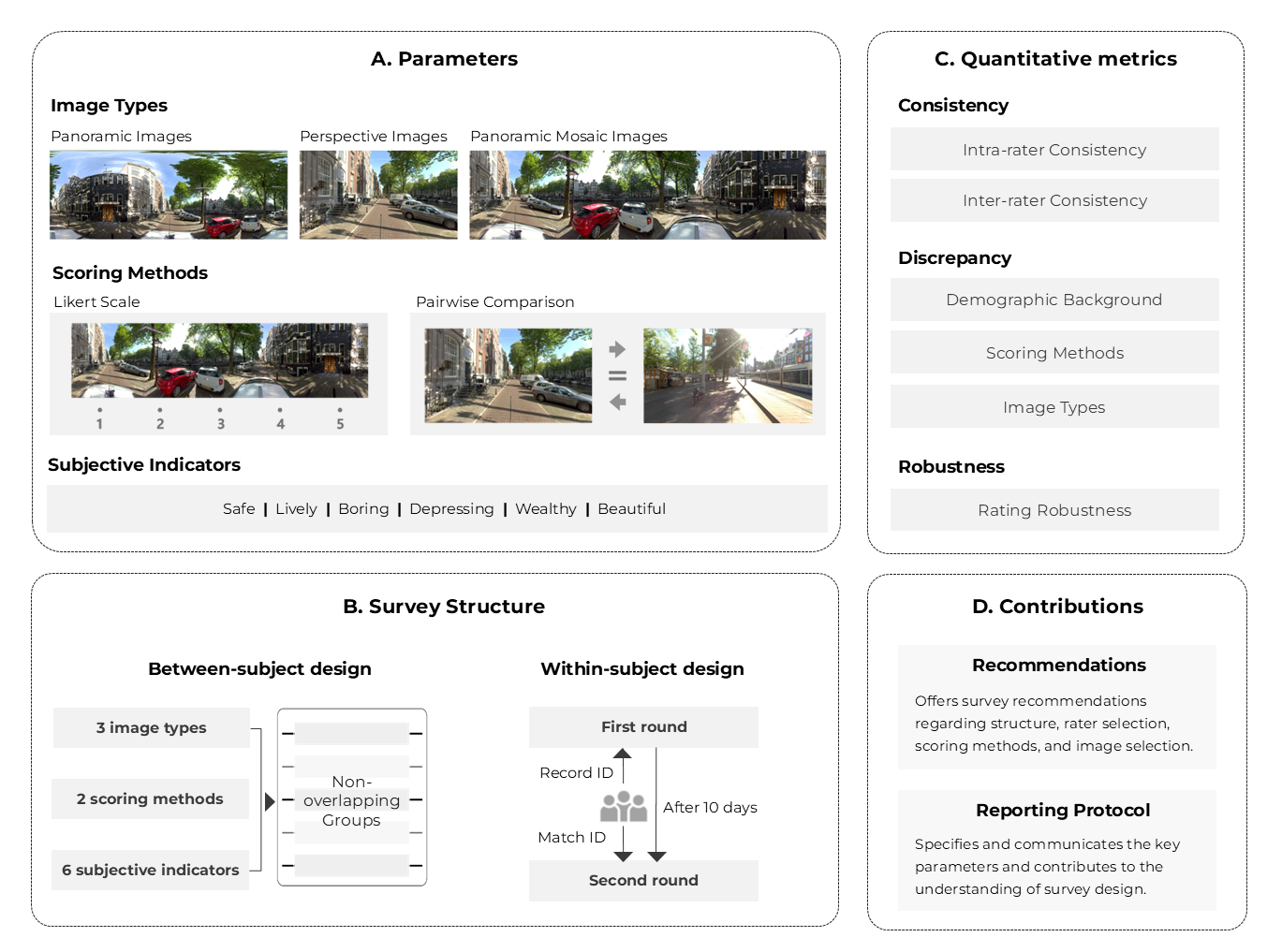
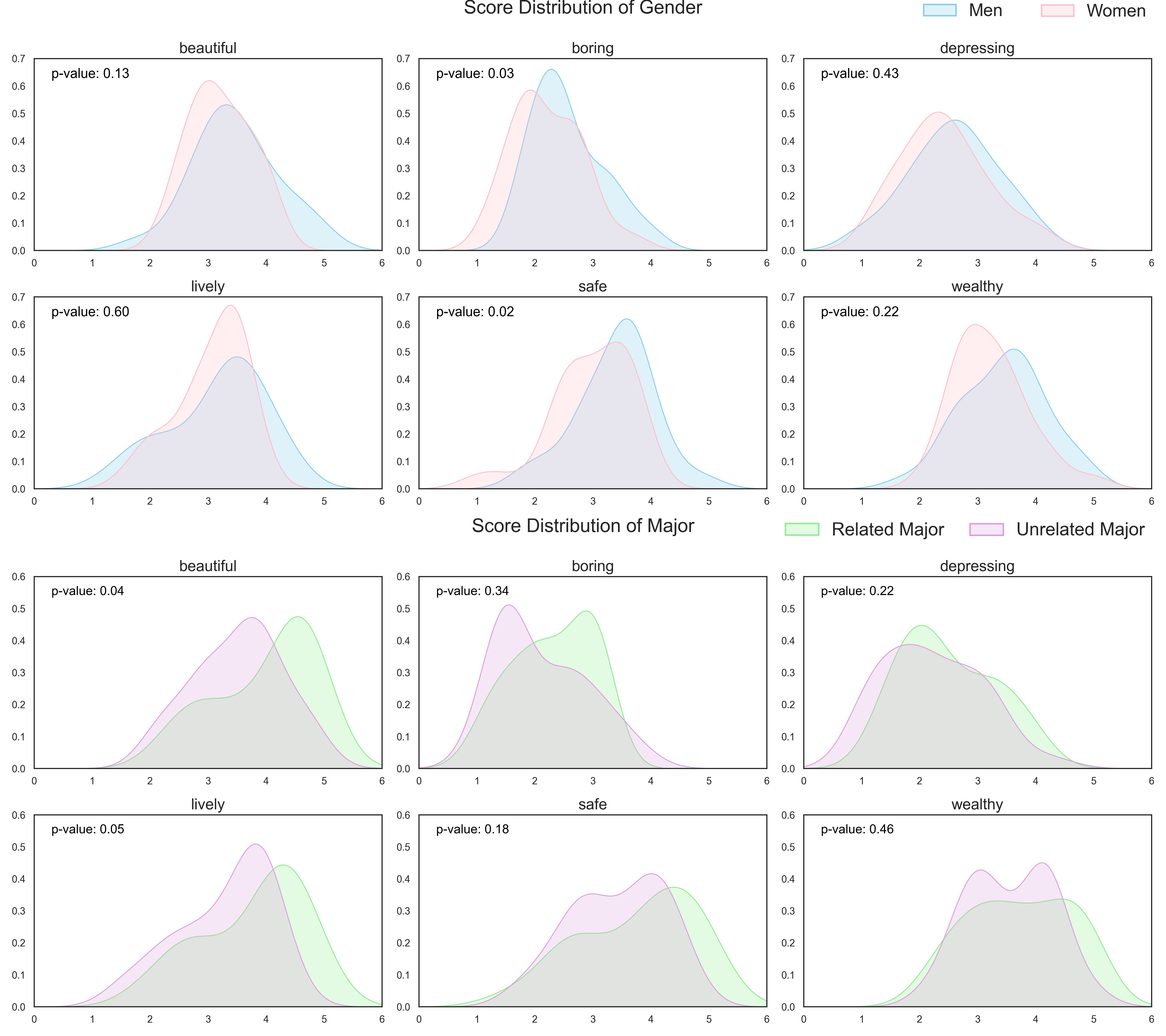
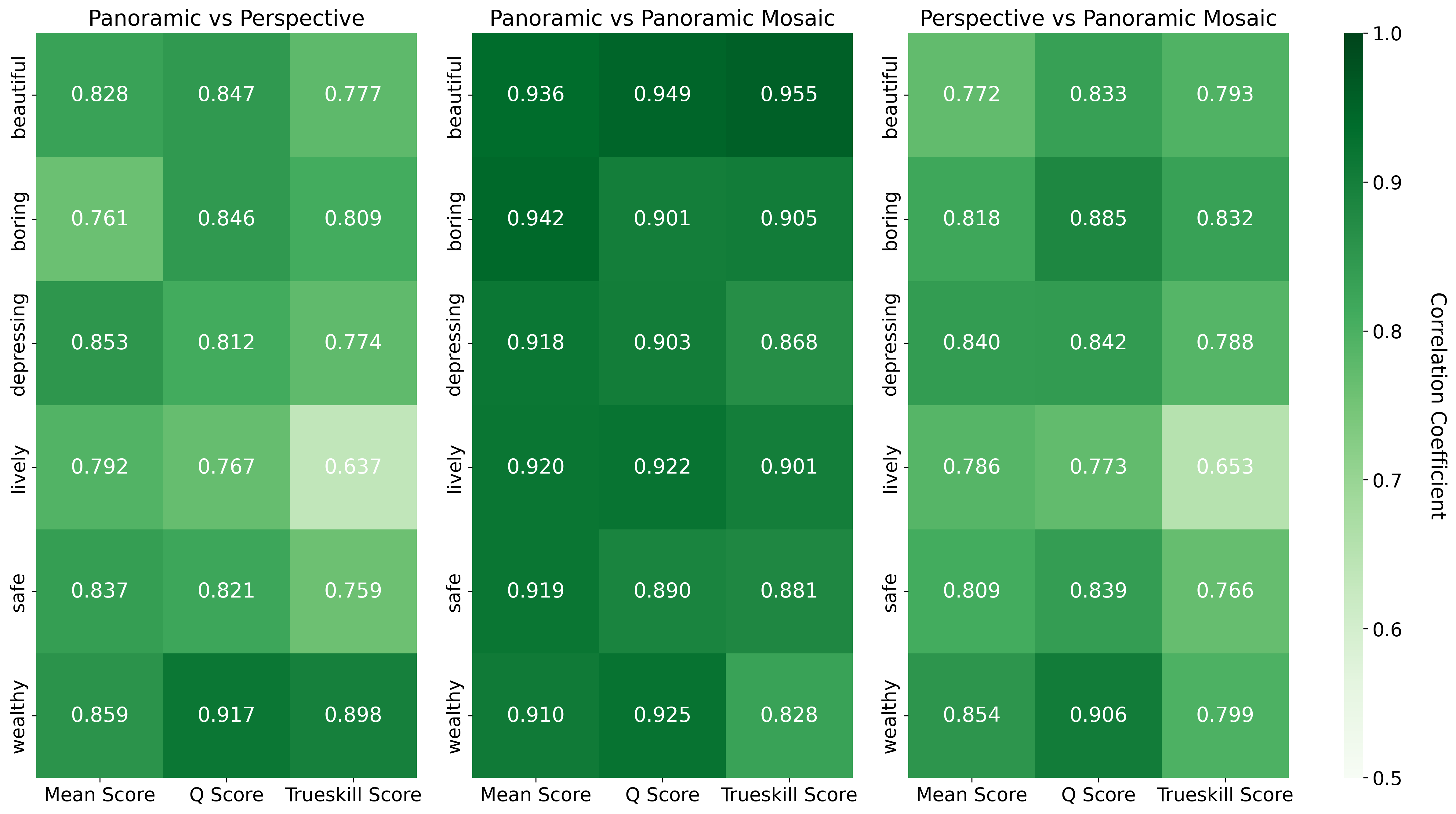
<?xml version="1.0" encoding="utf-8"?><feed xmlns="http://www.w3.org/2005/Atom" xml:lang="en"><generator uri="https://jekyllrb.com/" version="4.4.1">Jekyll</generator><link href="https://youlonggu.github.io/feed.xml" rel="self" type="application/atom+xml"/><link href="https://youlonggu.github.io/" rel="alternate" type="text/html" hreflang="en"/><updated>2026-03-23T19:40:47+00:00</updated><id>https://youlonggu.github.io/feed.xml</id><title type="html">blank</title><subtitle>A simple, whitespace theme for academics. Based on [*folio](https://github.com/bogoli/-folio) design. </subtitle><entry><title type="html">2.5 Years at UAL</title><link href="https://youlonggu.github.io/blog/2025/UAL/" rel="alternate" type="text/html" title="2.5 Years at UAL"/><published>2025-12-31T00:00:00+00:00</published><updated>2025-12-31T00:00:00+00:00</updated><id>https://youlonggu.github.io/blog/2025/UAL</id><content type="html" xml:base="https://youlonggu.github.io/blog/2025/UAL/"><![CDATA[<p>Today marks the end of my 2.5-year research journey at the Urban Analytics Lab (UAL). Looking back, I progressed from a part-time Research Assistant, to a research intern at the Future Cities Lab, and to a full-time Research Engineer. Throughout this journey, UAL provided me with solid research training within a productive and collaborative environment. Alongside my coursework, I had the opportunity to first-author two journal papers and two conference papers (two currently under review), and to participate in eight research projects in total, while working with inspiring colleagues and mentors who made this experience rewarding and meaningful.</p> <p>All in all, this experience is an invaluable asset that I will carry with me moving forward.</p> <figure style="text-align: center;"> <img src="/assets/img/post/2025-12-UAL/IMG_9519.jpg" style="width:80%;"/> <figcaption style="font-size: 0.85em; color: #666;"> My workspace and tools during my time at the Future Cities Lab. </figcaption> </figure> <figure style="text-align: center;"> <img src="/assets/img/post/2025-12-UAL/IMG_8725.jpg" style="width:80%;"/> <figcaption style="font-size: 0.85em; color: #666;"> Post-dinner moments with the UAL team. </figcaption> </figure> <p>See you again, UAL!</p> <figure style="text-align: center;"> <img src="/assets/img/post/2025-12-UAL/IMG_8729.jpg" style="width:60%;"/> <figcaption style="font-size: 0.85em; color: #666;"> With Prof. Filip Biljecki, PI of the UAL. </figcaption> </figure>]]></content><author><name></name></author><category term="life"/><summary type="html"><![CDATA[Marking the completion of a 2.5-year research journey at the Urban Analytics Lab.]]></summary></entry><entry><title type="html">Master’s commencement</title><link href="https://youlonggu.github.io/blog/2025/graduation/" rel="alternate" type="text/html" title="Master’s commencement"/><published>2025-07-19T00:00:00+00:00</published><updated>2025-07-19T00:00:00+00:00</updated><id>https://youlonggu.github.io/blog/2025/graduation</id><content type="html" xml:base="https://youlonggu.github.io/blog/2025/graduation/"><![CDATA[<figure style="text-align: center;"> <img src="/assets/img/post/2025-07-commencement/Class All 2.jpg" style="width:80%;"/> <figcaption style="font-size: 0.85em; color: #666;"> Group photo with the Class of 2025 from the Department of Architecture. </figcaption> </figure> <p>Completing a two-year Master’s journey at the National University of Singapore and being awarded the Master of Urban Planning degree. The programme substantially strengthened my macro-level reasoning and analytical thinking, and selected coursework provided a solid foundation in programming and statistics.</p> <figure style="text-align: center;"> <img src="/assets/img/post/2025-07-commencement/IMG_9069.jpg" style="width:80%;"/> <figcaption style="font-size: 0.85em; color: #666;"> Group photo with members of the Urban Analytics Lab. </figcaption> </figure>]]></content><author><name></name></author><category term="life"/><summary type="html"><![CDATA[Marking the completion of a two-year Master’s journey at NUS.]]></summary></entry><entry><title type="html">Talk: Presentation at the CUPUM 2025 Conference</title><link href="https://youlonggu.github.io/blog/2025/cupum/" rel="alternate" type="text/html" title="Talk: Presentation at the CUPUM 2025 Conference"/><published>2025-06-27T00:00:00+00:00</published><updated>2025-06-27T00:00:00+00:00</updated><id>https://youlonggu.github.io/blog/2025/cupum</id><content type="html" xml:base="https://youlonggu.github.io/blog/2025/cupum/"><![CDATA[<p>I had the pleasure of attending the 19th International Conference on Computational Urban Planning and Urban Management (CUPUM), hosted by UCL CASA. I presented our Master’s research project, “A Bayesian Spatiotemporal Framework for Explaining Bus Ridership Dynamics in Singapore”, developed in collaboration with Haixiao Liu, Lingsheng Lan, Yu He and supervised by Filip Biljecki, during the Smart Mobility session. I’m grateful for the thoughtful questions and feedback, which made the experience motivating and inspiring!</p> <figure style="text-align: center;"> <img src="/assets/img/post/2025-06-cupum/IMG_5564.jpg" style="width:80%;"/> <figcaption style="font-size: 0.85em; color: #666;"> Group photo of Urban Analytics Lab members and other collaborators attending the conference. </figcaption> </figure> <figure style="text-align: center;"> <img src="/assets/img/post/2025-06-cupum/IMG_8754.jpg" style="width:80%;"/> <figcaption style="font-size: 0.85em; color: #666;"> Presenting my conference paper in the Smart Mobility session. </figcaption> </figure> <p>Beyond the presentation, it was a nice experience to attend insightful keynotes, engage in interesting discussions with fellow researchers, and enjoy a lovely dinner and a night stroll around London with my colleagues from the NUS Urban Analytics Lab.</p> <figure style="text-align: center;"> <img src="/assets/img/post/2025-06-cupum/IMG_5247.jpg" style="width:80%;"/> <figcaption style="font-size: 0.85em; color: #666;"> UAL group dinner at Flat Iron. </figcaption> </figure>]]></content><author><name></name></author><category term="talks"/><category term="mobility"/><summary type="html"><![CDATA[Presenting our paper in the Smart Mobility session at CUPUM 2025.]]></summary></entry><entry><title type="html">Talk: Visiting University of Cambridge</title><link href="https://youlonggu.github.io/blog/2025/visit-cam/" rel="alternate" type="text/html" title="Talk: Visiting University of Cambridge"/><published>2025-06-27T00:00:00+00:00</published><updated>2025-06-27T00:00:00+00:00</updated><id>https://youlonggu.github.io/blog/2025/visit-cam</id><content type="html" xml:base="https://youlonggu.github.io/blog/2025/visit-cam/"><![CDATA[<figure style="text-align: center;"> <img src="/assets/img/post/2025-06-cam/IMG_6329.jpg" style="width:80%;"/> <figcaption style="font-size: 0.85em; color: #666;"> Group photo. </figcaption> </figure> <p>Traveling with the Urban Analytics Lab to the University of Cambridge for a joint seminar with the Sustainable Design Group (led by Prof. Ronita Bardhan) was a great opportunity for exchanging ideas on urban health, sustainability, and urban analytics.</p> <figure style="text-align: center;"> <img src="/assets/img/post/2025-06-cam/IMG_5764.jpg" style="width:80%;"/> <figcaption style="font-size: 0.85em; color: #666;"> Presenting my latest research to the Sustainable Design group. </figcaption> </figure> <figure style="text-align: center;"> <img src="/assets/img/post/2025-06-cam/IMG_5829.jpg" style="width:80%;"/> <figcaption style="font-size: 0.85em; color: #666;"> Presenting my latest research to the Sustainable Design group. </figcaption> </figure>]]></content><author><name></name></author><category term="talks"/><summary type="html"><![CDATA[Members of the NUS Urban Analytics Lab visited the University of Cambridge for a sharing session with the Sustainable Design group.]]></summary></entry><entry><title type="html">New Paper: Designing effective image-based surveys for urban visual perception</title><link href="https://youlonggu.github.io/blog/2025/paper-survey/" rel="alternate" type="text/html" title="New Paper: Designing effective image-based surveys for urban visual perception"/><published>2025-03-29T00:00:00+00:00</published><updated>2025-03-29T00:00:00+00:00</updated><id>https://youlonggu.github.io/blog/2025/paper-survey</id><content type="html" xml:base="https://youlonggu.github.io/blog/2025/paper-survey/"><![CDATA[<figure style="text-align: center;"> <img src="/assets/img/post/2025-03-paper-survey/workflow2.png" style="width:80%;"/> <figcaption style="font-size: 0.85em; color: #666;"> A framework for study design encompassing the most relevant parameters (A), survey structure (B), three quantitative metrics addressing the research questions (C), and the overall contributions (D). </figcaption> </figure> <h4 id="highlights">Highlights</h4> <ul> <li>Perception surveys of urban visual landscapes are crucial in planning and design.</li> <li>They vary substantially and there is no standard ensuring validity and robustness.</li> <li>We established survey design guidelines supported by statistics and experiments.</li> <li>Robust results require &gt;12 Likert ratings and &gt;22 Pairwise Comparisons per image.</li> <li>Reporting protocol to communicate effectively the design and parameters of surveys.</li> </ul> <figure style="text-align: center;"> <img src="/assets/img/post/2025-03-paper-survey/Gender_bias.png" style="width:80%;"/> <figcaption style="font-size: 0.85em; color: #666;"> Comparison of overall score distribution across different demographic backgrounds. </figcaption> </figure> <figure style="text-align: center;"> <img src="/assets/img/post/2025-03-paper-survey/image_compare.png" style="width:80%;"/> <figcaption style="font-size: 0.85em; color: #666;"> Correlation comparisons of overall scores among three image types. </figcaption> </figure> <h4 id="abstract">Abstract</h4> <p>Urban visual perception is important for the human experience in cities, shaped by intertwined characteristics of urban landscapes. By quantifying and explaining these perceptual experiences, researchers can gain insights into human preferences and support decision-making in planning and design. However, past studies have shown inconsistencies in survey design and ambiguities in reporting, leading to concerns about the reliability and reproducibility of results. This study proposes the first comprehensive framework to guide image-based survey design for capturing perceptions of outdoor urban environments across different scenarios, addressing the lack of methodological standardization in current research. We reviewed existing surveys to identify key parameters, conducted comprehensive between-subject and within-subject surveys, and performed statistical analyses to determine best practices for survey design across different contexts. Aiming to set a potential community standard, our study doubles as a blueprint for a reporting protocol for survey designs. Based on the results, we recommend: (1) meeting a minimum of 12 and 22 ratings per image for Likert Scale and Pairwise Comparison studies to reach survey reliability, respectively, and reporting these alongside other survey design parameters to enhance transparency and reproducibility; and (2) when resource allows larger experiments, adopt a ranking method such as Pairwise Comparison to achieve firmer rating results; and (3) using perspective (non-panoramic) images more frequently, as they exhibit comparable overall scores to panoramic images (R mostly &gt;0.7), while being more widely available via crowdsourced sources, supporting their use in large-scale visual perception research.</p> <h4 id="paper">Paper</h4> <p>Please check the paper <a href="https://doi.org/10.1016/j.landurbplan.2025.105368">here</a>.</p>]]></content><author><name></name></author><category term="papers"/><category term="peception"/><category term="survey"/><category term="statistics"/><summary type="html"><![CDATA[Landscape and Urban Planning publishes our work on establishing visual perception survey design guidelines supported by statistics and experiments.]]></summary></entry></feed>